California's New Balcony Disclosure Law Took Effect in January. It Skips Right Past Most Trilogy Homes.
September 17, 2026
September 17, 2026
Since January 1, 2026, a piece of state legislation called SB 410 has been showing up in HOA newsletters, title company blog posts, and California real estate forums under headlines like "new HOA disclosure requirement." Sellers in age-restricted communities have started asking a reasonable question: does this apply to my home?
For the overwhelming majority of homes in Trilogy at La Quinta, the answer is no. But the reason it doesn't apply says something useful about what actually belongs in a Trilogy disclosure packet this year. The paperwork that matters for a Trilogy resale has little to do with balconies and everything to do with reserve funds, a one-time fee due at closing, and a golf course the HOA now owns outright.
SB 410 amended California Civil Code section 4525, the statute that spells out the disclosure packet a seller in a common interest development must hand a buyer. The amendment adds one new item to that packet: the association's most recent inspection report under a separate law, SB 326, which requires periodic structural inspections of exterior elevated elements. That means balconies, decks, stairways, and walkways that are built substantially of wood, sit more than six feet above the ground, and fall under the association's maintenance responsibility.
SB 326 itself isn't new. It passed in 2019 after a wood-framed balcony collapse in Berkeley killed six people, and it set a first inspection deadline of January 1, 2025 with a nine-year cycle after that. What changed on January 1, 2026 is narrower than the headlines suggest. SB 410 didn't expand who has to inspect anything. It just added the resulting report to the stack of documents a seller already has to deliver.
Both laws share the same trigger, and it's a structural one rather than a general "HOA community" one.
| Question | Where SB 326/410 applies | Trilogy at La Quinta |
|---|---|---|
| Who owns the exterior structure | The association, as common area | The individual homeowner |
| Typical building type | Attached, three or more units sharing walls or structure | Detached, primarily single-story |
| Shared elevated wood elements | Common, often the reason the law exists | Rare to none on a typical resale |
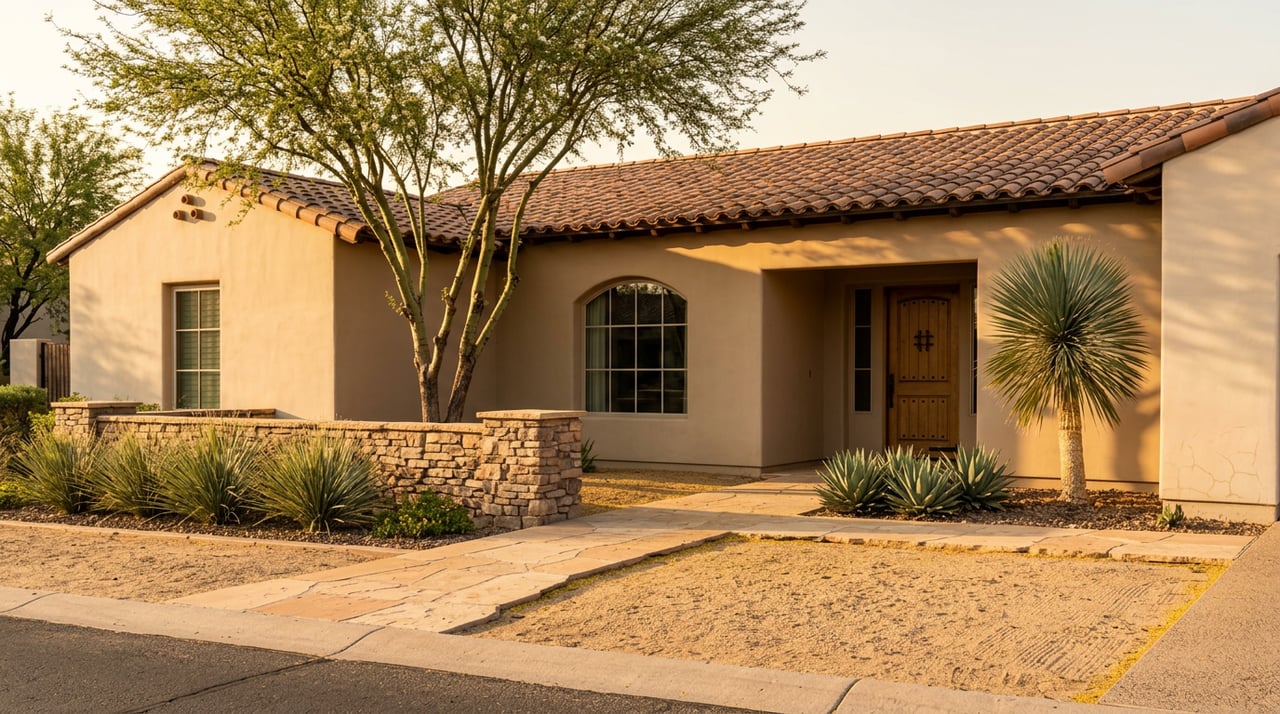
Trilogy's 1,238 homes are detached, mostly single-story, and built with private patios rather than shared balconies. Because the HOA doesn't hold a maintenance obligation for any elevated wood-framed walkway or deck attached to an individual home, there's nothing for the inspection requirement to attach to. Property management firm FirstService Residential, which works with active-adult HOAs across California, has said as much directly: most single-family home HOAs are exempt from SB 326 because the law was built around shared, association-maintained structures.
That doesn't mean the community's common areas are automatically outside the conversation. The Santa Rosa Club and Coral Mountain Club are larger structures with their own upper-level spaces, and whether any of those qualify as an exterior elevated element is a question for the association's board and its engineer, not a line item that shows up in an individual seller's disclosure packet. For a typical Trilogy resale, the balcony law simply isn't the document you need to chase down.
The documents that do belong in a Trilogy seller's packet haven't changed with SB 410. They include:
That last item is the one that's specific to age-restricted resale and doesn't come up in an all-ages neighborhood. Trilogy operates under the federal Housing for Older Persons Act, which requires the community to keep records showing that at least 80 percent of occupied homes have a resident 55 or older. A buyer isn't just closing on a house. They're stepping into that occupancy count, and the HOA's age-verification procedure is part of what a seller should expect to have reviewed during escrow. It's a different kind of disclosure friction than a balcony report, and it's the one that's actually built into Trilogy's structure.
Buyers moving from a non-HOA neighborhood are often prepared for monthly dues. Fewer are prepared for the one-time reserve or replenishment fee due at close of escrow. Recent Trilogy resale listings have put this fee in the $3,300 to $3,700 range, separate from the ongoing monthly assessment and paid once, at closing, to fund the association's long-term reserves.
This fee doesn't change what a seller nets from the sale. It changes the buyer's total cash-to-close, which means it's worth surfacing early in a listing conversation rather than letting it appear for the first time in the closing disclosure. A buyer who's budgeted precisely to the penny can feel blindsided by a fee that's fully standard for the community but invisible on the listing sheet.
Trilogy's golf course sat closed starting in September 2022 after bankruptcy proceedings involving its previous owner left its future uncertain. Homeowners eventually voted to purchase the course and its adjoining restaurant themselves, a roughly $6.17 million transaction that folded in course upgrades and facility renovations.
That decision changed what belongs in the HOA's financial disclosures going forward. A course the association owns outright carries its own maintenance schedule, its own capital plan, and its own line items in the reserve study, in a way that a leased or independently owned course never did. A seller today should expect the HOA financial packet to be longer and more detailed than it would have been before the purchase, not because anything is wrong, but because the association is now responsible for an asset it wasn't responsible for a few years ago. That's a reasonable thing to explain to a buyer up front rather than let them discover it while reading a reserve study for the first time.
Does this mean Trilogy's HOA never has to inspect anything? No. The HOA still has ordinary maintenance obligations for common areas like the clubhouses, pools, and shared landscaping. SB 326 specifically targets elevated wood-framed structures maintained by an association for multiple attached units, which is a narrower category than general maintenance.
What if my home has a raised deck or elevated patio off a casita? If it's part of your individual property rather than a shared structure the HOA maintains, it generally falls outside SB 326's scope. Confirm with your association whether any of your home's outdoor features are classified as common area before assuming either way.
Do the clubhouses themselves need to comply with the balcony law? That depends on whether they have elevated wood-framed elements over six feet high that the association maintains. It's worth a direct question to the HOA board or management company rather than an assumption, since the answer affects the association's compliance calendar, not an individual seller's packet.
Selling a home in a 55+ community comes with its own paperwork logic, and knowing which new laws actually touch your transaction and which ones are noise is part of getting the disclosure process right the first time. If you're weighing a listing in Trilogy this year and want a clear read on what belongs in your packet, Donna Ambrose can walk through the specifics with you. Let's Connect.
Stay up to date on the latest real estate trends.

Donna Ambrose has joined the fastest-growing real estate brokerage in Southern California.
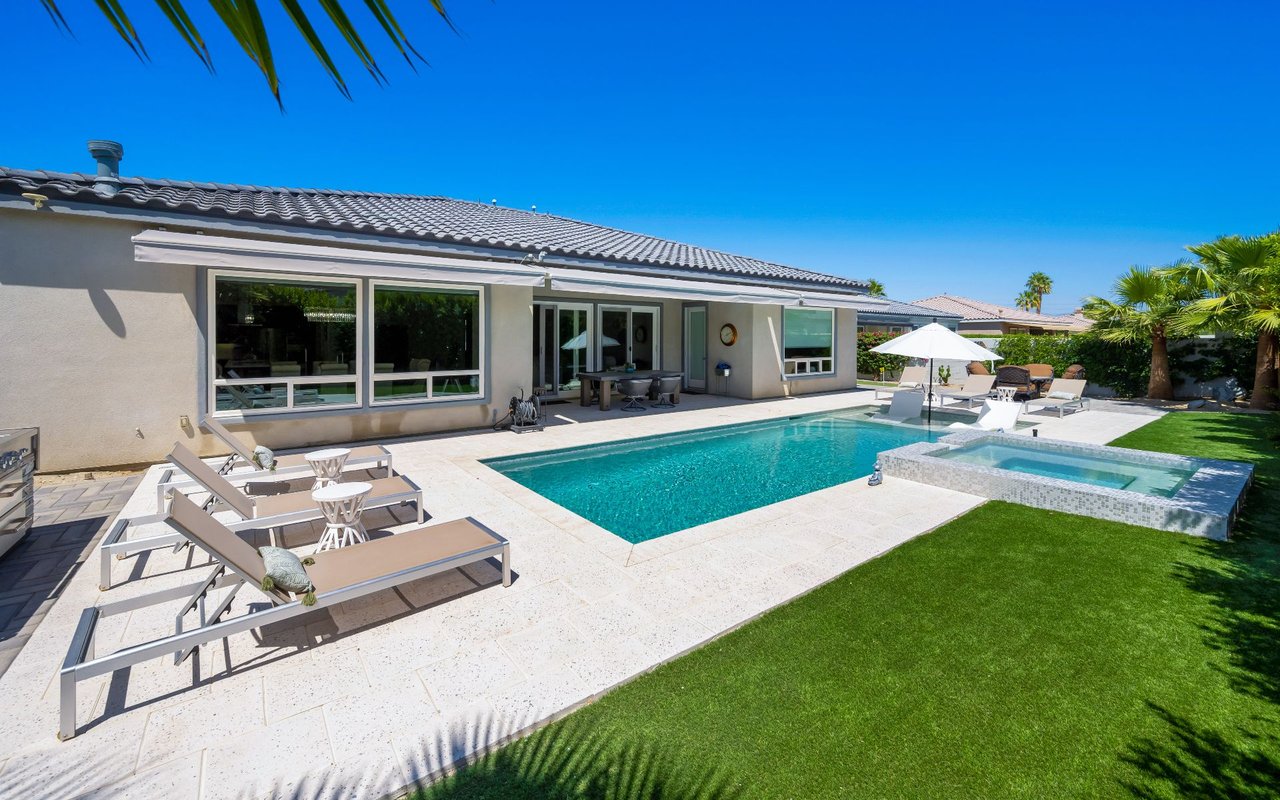
The home is light and bright with ten-foot ceilings and large windows overlooking the private backyard.
Our great appreciation and thank you very much for all the extra efforts you gave to complete our sale.
Get assistance in determining current property value, crafting a competitive offer, writing and negotiating a contract, and much more. Contact me today.